


What is Shower System?
A shower system usually consists of valves, showerheads, hand showers, body sprays, water outlets, and volume controls. A shower system can turn your time in the shower into a true spa experience. There are prepackaged shower systems or you can customize your own.
Advantages of Shower System
Total customizability
Shower systems are often called custom showers for a reason – because you have total control over the types of shower heads used and where they’re placed, meaning you can get the exact shower experience you want (which is doubly nice for people who are tall, short, or couples with a significant height difference).
Total coverage
Shower systems are specifically designed to give a near 360 degree spray, with different types of shower heads and body sprayers in different zones so water is coming at you from all directions.
Maximum water flow
Shower systems include many multiple shower heads, each of which are plumbed individually or in small groups, meaning each shower head or cluster produces the maximum volume of water you’d get in a standard shower, but they can all be used at once, giving you genuine spa-like levels of water flow.
Designer look and feel
Shower systems require extensive plumbing work, but that means that as part of a larger project, you have the opportunity to build a really gorgeous shower stall around them – fully tiled from floor to ceiling, with all the shower hardware integrated seamlessly into the design.


Traditional shower system or thermostatic Shower system, multifunctions or simple functions, here you can find what you love
Why Choose Us

High quality
Our products are manufactured or executed to very high standards, using the finest materials and manufacturing processes.

Professional Team
Our professional team collaborate and communicate effectively with one another, and are committed to delivering high-quality results. They are capable of handling complex challenges and projects that require their specialized expertise and experience.

Rich experience
Dedicated to strict quality control and attentive customer service, our experienced staff is always available to discuss your requirements and ensure complete customer satisfaction.

24h online service
We try and respond to all concerns within 24 hours and our teams are always at your disposal in case of any emergencies.
Types of Shower System
Handheld showers
Handheld showers allow users to have flexibility, increased reach, and directional control. They allow you to hold on to the showerhead and direct the water flow wherever you need it. This detachable showerhead can be mounted on a wall bracket or held by hand.
Steam showers
Steam showers can turn your bathroom into a soothing spa-like retreat. These showers are equipped with a steam generator that creates a relaxing atmosphere. They are great for athletes and gym buffs hoping to recover from sore muscles, and they can also offer relief to those suffering from respiratory issues or skin problems.
Tub-shower combo
Tub-shower combos offer the best of both worlds. You can have a quick shower on busy mornings and a long leisurely bath during a lazy weekend. This option is perfect for individuals and families alike. This combo is also an efficient use of space, eliminating the need to have separate areas for each component.
Walk-in showers
Walk-in showers are a good choice if you are looking for a modern, minimalist design with a spacious feel. They may be curbed or curbless and feature a door or be completely open. Walk-in showers make it easy to transition between the bathroom floor and the shower stall. Ideal for people with limited mobility or those planning to age in place, walk-in showers can increase independence.

Shower systems are made of high-quality brass with copper content not less then 59%. Brass is the best material for producing shower systems and characterized by strength and durability. Shower heads are made of ABS-plastic, stainless steel. ABS-plastic is used for producing 3-spray shower hands.
Application of the product

01
Residential bathrooms
Shower systems are commonly installed in residential bathrooms to provide a comfortable shower experience. They can be fixed to the wall or ceiling, and come in different designs that can complement the overall bathroom décor.
02
Commercial properties
Hotels and resorts often use shower systems to offer their guests a luxurious shower experience. Shower systems can be installed in the bathrooms of spas, gyms, and wellness centers.

03
Medical facilities
Shower systems are used in hospitals and clinics to provide patients with accessibility and ease of use. Some shower systems in medical facilities feature adjustable showerheads and control knobs that make it easy for patients to use them even when they are physically challenged.

04
Industrial applications
Shower systems may also be used in wash-down applications in industrial environments, such as food processing plants, dairy farms, and chemical manufacturing facilities.
Components of Shower System
Shower head
Shower heads are where the water is sprayed out from. Shower heads come in different sizes and designs, with some designed to alter the flow of water that comes out.
Shower arm
The shower arm is an extended pipe fitting connected to a wall flange. It is responsible for supplying water and providing an extension for the shower head.
Shower flange
The shower flange is another way to call the pipe hole cover where the shower arm sticks out. These covers are available in various designs to compliment the shower head and provide a decorative appearance.
Shower pipe
The shower pipe is a long vertical pipe connected to the diverter valve and extends into the shower head assembly. It is located behind the shower wall and can be made of copper, galvanized iron, or plastic.
Faucet set
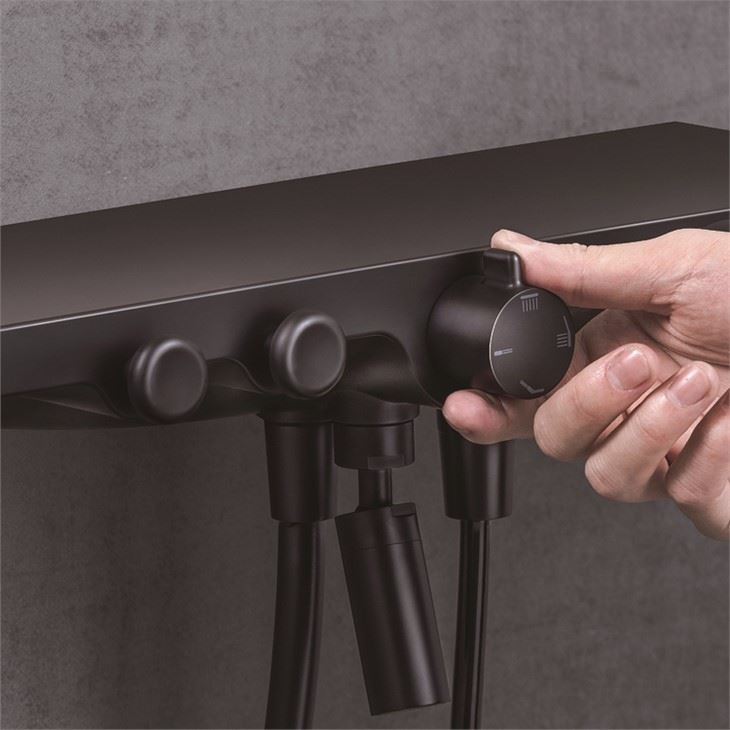
The faucet is the shower part that allows you to turn the water on or off. It also allows you to set your water temperature between hot and cold. It is connected to the diverter valve and is one of the most customizable shower parts, with different designs available.
Diverter valve
The diverter valve is hidden behind the faucet and is a key part of a shower assembly. It is responsible for controlling the water flow. It is where the hot and cold water lines connect and mix before being transported to the shower head or the tub spout.
Maintenance of Shower System

Clean the shower regularly
Use a non-abrasive cleaner and a soft cloth to clean the shower and remove any soap scum or mineral build-up. This will help prevent the shower system from becoming clogged or damaged by hard water deposits.
Check for leaks
Inspect the shower head, hose, and nozzles for any leaks or cracks. If you notice any issues, repair or replace the parts immediately to avoid water damage to your bathroom.
Properly adjust the water pressure
High water pressure can cause damage to your shower system. Ensure that the water pressure is set at an appropriate level, and avoid using high-pressure power washers on your shower system.
Keep the shower area dry
After using the shower, wipe down the walls and floor to prevent water buildup and mold growth. Proper ventilation in the bathroom can also help reduce moisture and avoid any damage to your shower system.
How to Choose Shower System
Consider your budget
Shower systems can range in price from affordable to expensive, depending on the features and quality. It's important to consider your budget and choose a system that fits your financial needs.
Choose the right type
There are several types of shower systems to choose from, including walk-in showers, steam showers, and rain showers. Consider your bathroom size and design to determine which type of shower system will work best for you.
Look for high-quality materias
lsShower systems are typically made from a variety of materials, including plastic, metal, and ceramic. Look for high-quality materials that are durable and resistant to stains and damage.
Consider the additional features
Many shower systems come with additional features, such as a water-saving feature, aromatherapy, and massage options. Consider the additional features that you want in your shower system and choose a system that offers them.
Process of Shower System
The first step in the process of installing a shower system is planning and design. This includes considering factors such as the size and layout of your bathroom, as well as the type of shower system you want to install. You may also need to consider the functionality and practicality of the design.
Once the planning and design process is complete, you can start selecting and purchasing bathroom fixtures. This includes choosing faucets, showerheads, and other accessories. Be sure to select fixtures that are durable and made from high-quality materials.
The next step in the bathroom fixtures process is installation. This involves installing the fixtures according to the manufacturer's instructions and ensuring they are properly connected to the plumbing and electrical systems. It is important to hire a professional installer to ensure the fixtures are installed correctly and safely.
Once the bathroom fixtures are installed, it is important to maintain and care for them to ensure they function correctly and last for a long time. This includes cleaning and lubricating moving parts, and checking for any leaks or damage.
Things to Note When Using Shower System
Water pressure
Make sure the water pressure from the shower system is adequate. A weak flow of water may not be able to wash away dirt and grime effectively, while a strong flow of water may be too forceful and cause damage to the system or nearby surfaces.
Sensitivity of sensor
Check that the sensor on the shower system is sensitive and accurate. Some shower systems have a delay before they respond to a hand or object passing in front of them, which may result in the shower turning off before you're done washing.
Cleanliness of the area
Maintain cleanliness around the shower system to ensure it functions properly. Debris or dirt on the sensor or in the immediate area can interfere with the system's operation.
Water consumption
Consider the water usage of the shower system. Some systems use more water than traditional showers, which may not be environmentally friendly or cost-effective in certain situations.
Working Principle Shower System
The working principle of a shower system involves a complex set of components working together to provide a consistent and effective water flow. The system typically includes a pump, a storage tank, a water supply line, and various valves and regulators. The pump draws water from the storage tank and forces it through the water supply line to the shower head. The water flow is controlled by a shower valve, which opens and closes to adjust the water pressure and temperature. The shower head is typically equipped with a filter to remove any impurities in the water.
FAQ
We're well-known as one of the leading shower system manufacturers and suppliers in China. Please rest assured to buy high quality shower system at competitive price from our factory. For customized service, contact us now.
bath shower head hose, showerhoses, garden water supply pipe